
Natural Stone Exporter India
From the Royal Courts of the Cholas to Traditional Festivals in the South—How Have Natural Stone Urulis Become the Heart of Every Occasion?
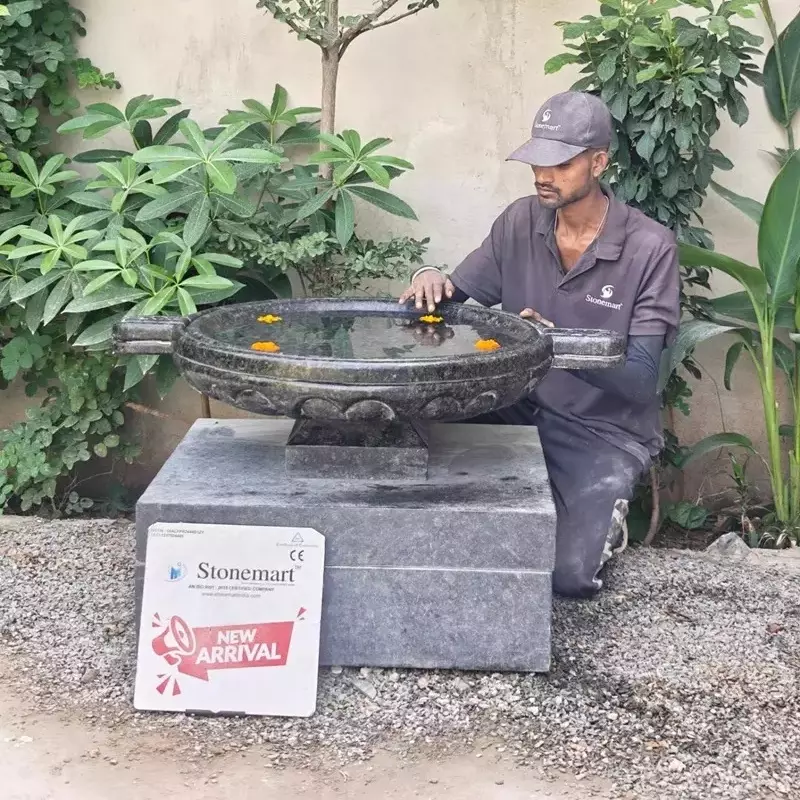
When we study the significance of natural handmade art, we will find that there are certain products associated with the traditions of our subcontinent with history as old as almost two millennia. They appear shallow and small in size, but when we uncover their distinguished presence in the pages of our civilization, we are left utterly flabbergasted. A traditional uruli hand crafted out of single solid block of natural granite or sandstone is one such product.
To those who do not know, the term ‘uruli’ has been derived from the Malayalam term ‘urul’, which means round. A shallow, circular vessel primarily meant to hold the element of water in it for ritualistic purposes, auspicious events and festive vibes. These hand carved vessels proudly share their deep historical timeline with the great Chola Empire (dating back from 9th to 13th century CE). Yes, you guessed it right! The golden age of the Southern India in terms of Dravidian art, architecture and maritime trade. Together, they represent the pinnacle of South Indian material culture.

But does the concept of natural stone uralis is ushering back only up to the Chola Dynasty? Well, they started to get used extensively during that period but we used the term ‘almost two millennia old’ earlier because their actual reference can be found in Sangam Literature (dating to around the 3rd century BCE). But the practice of using them became widespread during the period of Vijayalaya Chola, the first ruler and founder of the Medieval Chola Empire and became the statement of aristocracy during the era of Rajaraja the Great.
The urulis were designated a significant role in the kingdom of these monarchs primarily because the Cholas were practicing Shaivites (the ardent worshippers of Lord Shiva). In traditional Shaivism, water is deemed as the symbol of abundance and often associated with wealth, purification and divine welcoming, especially when filled with floating flowers. It was the same period when iconic Great Living Chola Temples such as Brihadeshwara temple, Gangaikonda Cholapuram temple and Airavatesvara temple (all currently designated as UNESCO World Heritage Sites) were constructed from granite. The same granite was then used for granite urli manufacturing for placement at the royal courts, temple entrances and courtyard steps.

Bringing royal aesthetics, welcoming prosperity, harmony and good fortune as per Vastu Shastra, while serving as natural “coolants” amidst intense tropical heat. As the maritime trade of the Cholas grew, the concept of placing natural stone urulis found its way to the royal courts across Bali, Sumatra, Cambodia and Thailand. The concept which is still prevalent in these South-East Asian regions for architectural Zen (traditionally placed with natural stone Buddha statue) and aesthetic greeting.
Apart from the rich cultural legacy of handmade urulis in Tamil Nadu, we found their use predominantly in Kerala. Especially during the auspicious occasions of festivals such as Vishu, Onam and Pongal. For instance, Vishu is a major festival in the state set on the first day of the Malayalam month of Medam, as it marks the astronomical New Year and the arrival of spring. Here, a popular tradition is followed by Keralites in which a Vishu Kani (the first thing to be seen) is placed inside a huge uruli in front of a Shri Krishna statue. All family members wake-up on the first day of the New Year with their eyes closed and opening them first in front of lord Krishna and an uruli filled with commonly found crops of harvest and currencies. The practice is believed to anchor the thoughts of gratitude, abundance and hope, while setting the dawn in a positive, prosperous tone for the entire year ahead.

Likewise, during the Onam, which is the official state festival of Kerala, corroborated with the legends of Mahabali, urlis are primarily flaunted as the vessel bringing the element of earth and water together. During the 10-day festival of Onam, uralis play a pivotal role in the ritualistic decorations (Pookalam). Currently, these beautiful set-pieces of décor are making their way into the northern belts of India as well. Especially, as a stylish décor statement during auspicious ceremonies, housewarming and festivals such as Deepawali (Diwali).
When we look at the hand carved stone uruli from the perspective of modern appeal, then we will find an interesting trend ushering its way. Nowadays, apart from their usage as architectural centerpieces, floating flower and tealight displays or as indoor water features, they are enjoying a huge surge in demand as garden birdbath designs. Their raw, earthy texture and heavy-duty permanence, make them perfect in designer bird bath role as well.
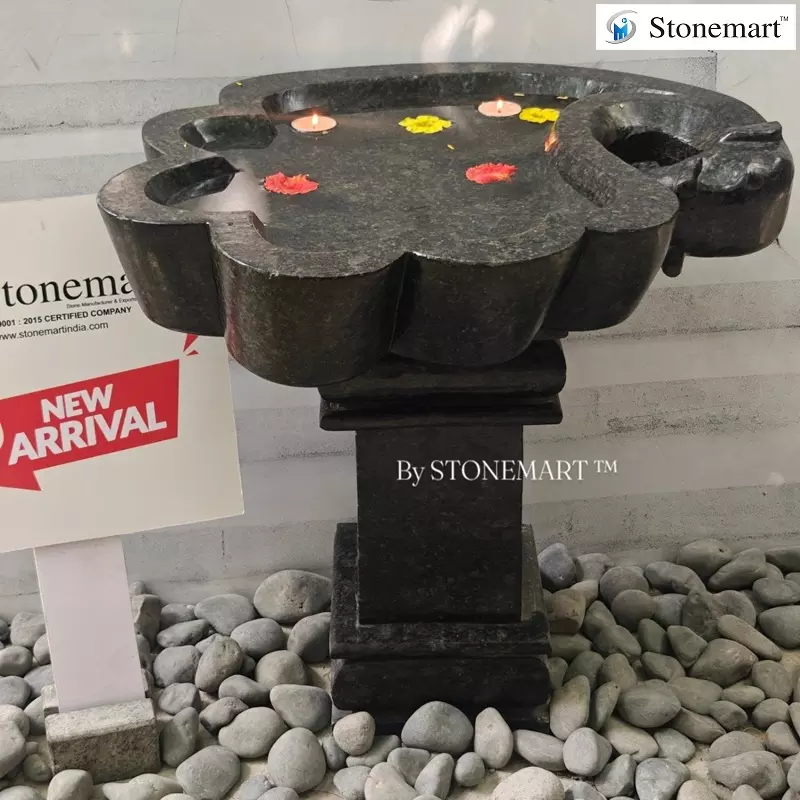
Explore, the finest collection of natural stone urulis at Stonemart ™. The leading hand made stone urli manufacturer in India to bring to your doorstep the most elegant urli designs serving all sorts of purposes. Shop now and get your order shipped to your given address in any quantity, size or available color placed right away!